If you are considering dental implants, or you have just had them placed, one question probably sits near the top of your list: how long do dental implants last? It is a sensible thing to ask, given the time, effort, and investment involved. The honest answer is that there is no single number that applies to everyone. Many implants serve people well for many years, and some for decades, but the outcome depends on a mix of factors, many of which are in your hands. This guide explains what influences the lifespan of an implant and shares friendly, practical aftercare tips so you can look after your smile with confidence.
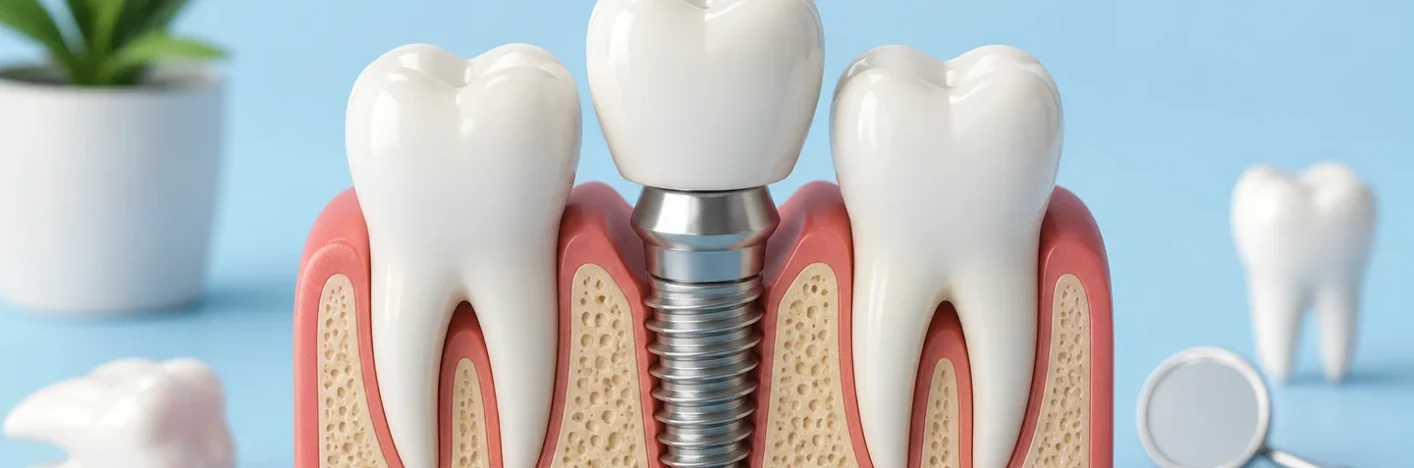
Dental implants are designed to be a long-term solution for replacing missing teeth. The titanium post that sits in the jaw bone can bond with the surrounding bone, which is why it feels so stable. Studies report high success rates over many years, and many people keep their implants for a very long time, though no dentist can promise a specific timeframe.
It helps to think of an implant in two parts, because the pieces age differently.
So when people ask how long dental implants last, the full picture is that the post may endure for a long time, while the crown may need attention at some point. That is a normal part of implant care, not a sign that something has gone wrong.
Several things can influence how well an implant holds up. Knowing them can help you focus on what matters most.
None of this is meant to worry you. Most of these factors are manageable, and a little consistency goes a long way.
The early healing period is when your body is building a strong connection between the implant and the bone, so a little extra care is worthwhile. Your dentist will give you specific instructions, but common advice includes the following.
If you notice increasing pain, swelling, or bleeding that does not settle, contact your dental practice. They would much rather hear from you early.
Once your implant has healed, the day-to-day routine is pleasantly simple. It looks a lot like caring for natural teeth, with a few extra considerations.
Consistency matters more than perfection. If you miss a night, simply carry on the next day.
Regular appointments are one of the most helpful things you can do for your implants. Many people benefit from check-ups and hygiene visits every six months, though your dentist may suggest a different schedule depending on your needs.
During these visits, the team will look at the gum tissue around the implant, check your bite, and may take X-rays to look at the bone supporting it. A hygienist will clean around the implant using instruments suited to implant surfaces. These appointments are also a great chance to ask questions, mention anything that feels different, and get tips on your home routine.
Small concerns, such as slightly red gums or a crown that feels a little loose, are usually easier to manage when caught early.
Most implants do their job quietly for years, but it is useful to know what to look out for. Contact your dentist if you notice gums that look red, swollen, or tender; bleeding when brushing or flossing around the implant; a persistent bad taste or bad breath; a crown or implant that feels loose; or discomfort when biting. These signs do not automatically mean something serious, and many can be addressed with professional cleaning or a small adjustment. Think of them as a gentle reminder to check in.
Looking after an implant is really about steady, simple habits and good support from your dental team. At Jiva Dental, we are happy to answer your questions, whether you are curious about how long dental implants last or you would like advice on caring for implants you already have. Our friendly team will review your oral health, talk through your aftercare routine, and help you feel confident about protecting your smile for the long term. Contact Jiva Dental today to book an appointment and keep your dental implants in good shape.
Q: How long do dental implants last?
A: Many implants last for many years, and some for decades, but the timeframe varies. Oral hygiene, gum health, smoking, general health, and regular check-ups all play a part, and your dentist can explain what to expect for your situation.
Q: Do dental implants ever need replacing?
A: The implant post may last a very long time, but the crown on top can wear and may need replacing at some point. This is a normal part of long-term care.
Q: Can dental implants get cavities?
A: The implant itself cannot decay, but the gums and bone around it can still be affected by plaque. Good cleaning and regular check-ups help protect the area.
Q: Can I use an electric toothbrush with implants?
A: Many people can. A soft brush head and a gentle technique are usually recommended, and your dentist can suggest options that suit you.
Q: Does smoking affect how long implants last?
A: Smoking is linked to slower healing and a higher chance of complications. Stopping, or cutting down, may support better implant health, and your dental or healthcare team can point you towards helpful resources.